Blinkie Text Generator at TextSpace.net

Friday, May 29, 2009

Back Injuries

Your back is an intricate structure of bones, muscles, and other tissues extending from your neck to your pelvis. Back injuries can result from sports injuries, work around the house or in the garden, or a sudden jolt such as a car accident. The lower back is the most common site of back injuries and back pain. Common back injuries include

These injuries can cause pain and limit your movement. Treatments vary but might include medicines, icing, bed rest, physical therapy or surgery. You might be able to prevent some back injuries by maintaining a healthy weight, lifting objects with your legs and using lower-back support when you sit.

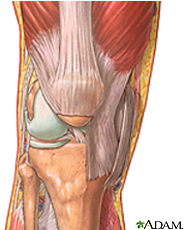
Joint Disorders


A joint is where two or more bones come together, like the knee, hip, elbow or shoulder. Joints can be damaged by many types of injuries or diseases. Arthritis or simply years of use may cause a joint to wear away. This can cause pain, stiffness and swelling. Over time, a swollen joint can become severely damaged.

Treatment of joint problems depends on the cause. If you have a sports injury, treatment often begins with the RICE (Rest, Ice, Compression and Elevation) method to relieve pain, reduce swelling and speed healing. Other possible treatments include pain relievers, keeping the injured area from moving, rehabilitation, and sometimes surgery. For arthritis, injuries, or other diseases, you may need joint replacement surgery to remove the damaged joint and put in a new one

Saturday, April 18, 2009

Blood Pressure Medicine

Also called: Antihypertensive Medicines, High blood pressure medicines

High blood pressure, also called hypertension, usually has no symptoms. But it can cause serious problems such as stroke, heart failure, heart attack and kidney failure. If you cannot control your high blood pressure through healthy lifestyle habits such as losing weight and reducing sodium in your diet, your doctor may prescribe medicines.

Blood pressure medicines work in different ways to lower blood pressure. Some remove extra fluid and salt from the body to lower blood pressure. Others slow down the heartbeat or relax and widen blood vessels. Often, two or more medicines work better than one.

Fifth Disease


Fifth disease is a viral infection caused by parvovirus B19. The virus only infects humans - it's not the same parvovirus that you vaccinate your dog or cat against. Fifth disease mostly affects children. Symptoms can include a low fever, cold symptoms and a red rash on the cheeks, arms, legs and trunk. Adults who get it might also have joint pain and swelling.

It is easy to catch fifth disease. Infected people have the virus in their saliva and mucus. You can get it when you come into contact with those fluids. Frequently washing your hands might help prevent getting the virus. Most people become immune to the virus after having it once.

Fifth disease is usually mild and goes away on its own. However, it can be serious if you

  • Are anemic
  • Have cancer or a weak immune system
  • Are pregnant

Traumatic Brain Injury


Also called: Acquired brain injury, TBI

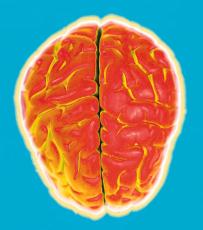
Every year, millions of people in the U.S. sustain head and brain injuries. More than half are bad enough that people must go to the hospital. The worst injuries can lead to permanent brain damage or death.

Half of all TBIs are due to motor vehicle accidents. Military personnel are also at risk. Symptoms of a TBI may not appear until days or weeks following the injury. Serious traumatic brain injuries need emergency treatment.

sTreatment and outcome depend on the injury. TBI can cause a wide range of changes affecting thinking,ensation, language, or emotions. TBI can be associated with post-traumatic stress disorder. People with severe injuries usually need rehabilitation.

Wednesday, March 4, 2009

Germs and Hygiene


When you cough or sneeze, you send tiny germ-filled droplets into the air. Colds and flu usually spread that way. You can help stop the spread of germs by

* Covering your mouth and nose when you sneeze or cough
* Cleaning your hands often - always before you eat or prepare food, and after you use the bathroom or change a diaper
* Avoiding touching your eyes, nose or mouth

Hand washing is one of the most effective and most overlooked ways to stop disease. Soap and water work well to kill germs. Wash for at least 15 seconds. Disposable hand wipes or gel sanitizers also work well.

Monday, March 2, 2009

Heart Surgery


Also called: Cardiac surgery

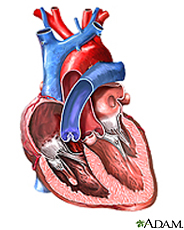
Each day, thousands of people in the U.S. have heart surgery. There are many different types of heart surgery. Surgeries may be used to

* Repair or replace the valves that control blood flow through the heart's chambers
* Bypass or widen blocked or narrowed arteries to the heart
* Repair aneurysms, or bulges in the aorta, which can be deadly if they burst
* Implant devices to regulate heart rhythms
* Destroy small amounts of tissue that disturb electrical flow through the heart
* Make channels in the heart muscle to allow blood from a heart chamber directly into the heart muscle
* Boost the heart's pumping power with muscles taken from the back or abdomen
* Replace the damaged heart with a heart from a donor

Eye Diseases


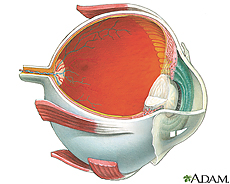
Some eye problems are minor and fleeting. But some lead to a permanent loss of vision. Common eye problems include

* Cataracts - clouded lenses
* Glaucoma - damage to the optic nerve from too much pressure in the eye
* Retinal disorders - problems with the nerve layer at the back of the eye
* Conjunctivitis - an infection also known as pink eye

beYour best defense is to have regular checkups, cause eye diseases do not always have symptoms. Early detection and treatment could prevent vision loss. See an eye care professional right away if you have a sudden change in vision or everything looks dim or if you see flashes of light. Other symptoms that need quick attention are pain, double vision, fluid coming from the eye and inflammation.

Saturday, February 28, 2009

Parasitic Diseases


Parasites are living things that use other living things - like your body - for food and a place to live. You can get them from contaminated food or water, a bug bite, or sexual contact. Parasitic diseases can cause mild discomfort or be deadly.

Parasites range in size from tiny, one-celled organisms called protozoa to worms that can be seen with the naked eye. Some parasitic diseases happen in the United States. Contaminated water supplies can lead to Giardia infections. Cats can transmit toxoplasmosis, which is dangerous for pregnant women. Others, like malaria, are common in other parts of the world.

If you are traveling, it's important to drink only water you know is safe. Prevention is especially important. There are no vaccines for parasitic diseases. Some medicines are available to treat parasitic infections.

Digestive Diseases

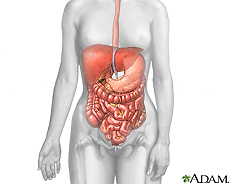
When you eat, your body breaks food down to a form it can use to build and nourish cells and provide energy. This process is called digestion.

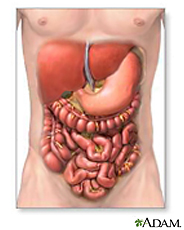
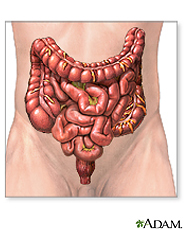
Your digestive system is a series of hollow organs joined in a long, twisting tube. It runs from your mouth to your anus and includes your esophagus, stomach, and small and large intestines. Your liver, gallbladder and pancreas are also involved. They produce juices to help digestion.

There are many types of digestive disorders. The symptoms vary widely depending on the problem. In general, you should see your doctor if you have

* Blood in your stool
* Changes in bowel habits
* Severe abdominal pain
* Unintentional weight loss
* Heartburn not relieved by antacids

Anabolic Steroids


Anabolic steroids are man-made substances related to male sex hormones. Medical uses of anabolic steroids include some hormone problems in men, late puberty and muscle loss from some diseases.

Bodybuilders and athletes often use anabolic steroids to build muscles and improve athletic performance. But using them this way is not legal or safe. Abuse of anabolic steroids has been linked with many health problems. They range from unattractive to life threatening and include

* Acne and cysts
* Breast growth and shrinking of testicles and in men
* Voice deepening and growth of body hair in women
* Heart problems, including heart attack
* Liver disease, including cancer
* Aggressive behavior

Scars

A scar is a permanent patch of skin that grows over a wound. It forms when your body heals itself after a cut, scrape, burn or sore. You can also get scars from surgery that cuts through the skin, from infections like chickenpox, or skin conditions like acne. Scars are often thicker, as well as pinker, redder or shinier, than the rest of your skin.

How your scar looks depends on

* How big and deep your wound is

* Where it is
* How long it takes to heal
* Your age
* Your inherited tendency to scar


Scars usually fade over time but never go away completely. If the way a scar looks bothers you, various treatments might minimize it. These include surgical revision, dermabrasion, laser treatments, injections, chemical peels and creams.

Hay Fever


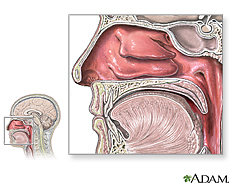
Each spring, summer, and fall, trees, weeds and grasses release tiny pollen grains into the air. Some of the pollen ends up in your nose and throat. This can trigger a type of allergy called hay fever.

Symptoms can include

* Sneezing, often with a runny or clogged nose
* Coughing and postnasal drip
* Itching eyes, nose and throat
* Dark circles under the eyes

Taking medicines, using nasal sprays and rinsing out your nose can relieve symptoms. Allergy shots can help make you less sensitive to pollen and provide long-term relief.

Bone Cancer

Cancer that starts in a bone is rare. Cancer that has spread to the bone from another part of the body is more common.

There are three types of bone cancer:

* Osteosarcoma - develops in growing bones, usually between ages 10 and 25
* Chondrosarcoma - starts in cartilage, usually after age 50
* Ewing's sarcoma - begins in nerve tissue in bone marrow of young people, often after treatment of another condition with radiation or chemotherapy

The most common symptom of bone cancer is pain. Other symptoms may vary depending on the location and size of the cancer. Surgery is often the main treatment for bone cancer. Other treatments may include amputation, chemotherapy and radiation.

Radiation Therapy


Radiation is a form of energy released in particles or waves. In high doses, radiation destroys cells or keeps them from multiplying.

Radiation therapy is a cancer treatment. Its goal is to kill cancer cells and shrink tumors. Unlike cancer cells, most of your normal cells recover from radiation therapy. Doctors try to protect normal cells by limiting the radiation dosage and spreading treatment out over time. When they use radiation machines, they shield as much of your body as possible while targeting the cancer.

The radiation for cancer treatment comes externally, from special machines, or internally, from radioactive substances that a doctor places in your body. Sometimes radiation is used with other treatments, like surgery or chemotherapy.

Weight Control


If you are overweight, you are not alone. Sixty-six percent of adults in the U.S. are overweight or obese. Achieving a healthy weight can help you control your cholesterol, blood pressure and blood sugar. It might also help you prevent weight-related diseases, such as heart disease, diabetes, arthritis and some cancers.

Eating too much or not being physically active enough will make you overweight. To maintain your weight, the calories you eat must equal the energy you burn. To lose weight, you must use more calories than you eat. A weight-control strategy might include

* Choosing low-fat, low-calorie foods
* Eating smaller portions
* Drinking water instead of sugary drinks
* Being physically active

Dietary Sodium


Table salt is made up of the elements sodium and chlorine - the technical name for salt is sodium chloride. Your body needs some sodium to work properly. It helps with the function of nerves and muscles. It also helps to keep the right balance of fluids in your body. Your kidneys control how much sodium is in your body. If you have too much and your kidneys can't get rid it, sodium builds up in your blood. This can lead to high blood pressure. High blood pressure can lead to other health problems.

Most people in the U.S. get more sodium in their diets than they need. A key to healthy eating is choosing foods low in salt and sodium. Doctors recommend you eat less than 2.4 grams per day. That equals about 1 teaspoon of table salt a day. Reading food labels can help you see how much sodium is in prepared foods.

Breathing Problems


When you're short of breath, it's hard or uncomfortable for you to take in the oxygen your body needs. You may feel as if you're not getting enough air. Sometimes mild breathing problems are from a stuffy nose or hard exercise. But shortness of breath can also be a sign of a serious disease.

Many conditions can make you feel short of breath. Lung conditions such as asthma, emphysema or pneumonia cause breathing difficulties. Heart disease can make you feel breathless if your heart cannot pump enough blood to supply oxygen to your body. Stress caused by anxiety can also make it hard for you to breathe. If you often have trouble breathing, it is important to find out the cause.

Paralysis


Paralysis is the loss of muscle function in part of your body. It happens when something goes wrong with the way messages pass between your brain and muscles. Paralysis can be complete or partial. It can occur on one or both sides of your body. It can also occur in just one area, or it can be widespread. Paralysis of the lower half of your body, including both legs, is called paraplegia. Paralysis of the arms and legs is quadriplegia.

Most paralysis is due to strokes or injuries such as spinal cord injury or a broken neck. Other causes of paralysis include

* Nerve diseases such as amyotrophic lateral sclerosis
* Autoimmune diseases such as Guillain-Barre syndrome
* Bell's palsy, which affects muscles in the face

Polio used to be a cause of paralysis, but polio no longer occurs in the U.S.

Pain


Pain is a feeling triggered in the nervous system. Pain may be sharp or dull. It may come and go, or it may be constant. You may feel pain in one area of your body, such as your back, abdomen or chest or you may feel pain all over, such as when your muscles ache from the flu.

Pain can be helpful. Without pain, you might seriously hurt yourself without knowing it, or you might not realize you have a medical problem that needs treatment. Once you take care of the problem, pain usually goes away. However, sometimes pain goes on for weeks, months or even years. This is called chronic pain. Sometimes chronic pain is due to an ongoing cause, such as cancer or arthritis. Sometimes the cause is unknown.

Fortunately, there are many ways to treat pain. Treatment varies depending on the cause of pain. Pain relievers, acupuncture and sometimes surgery are helpful.

Dietary Fats

Also called: Lipids, Monounsaturated fat, Polyunsaturated fat, Saturated fat

Fat is a major source of energy and aids your body in absorbing vitamins. It's important for proper growth, development and keeping you healthy. Fat provides taste to foods and helps you feel full. Fats are an especially important source of calories and nutrients for infants and toddlers. Dietary fat also plays a major role in your cholesterol levels.

But not all fats are the same. You should try to avoid

* Saturated fats such as butter, solid shortening, lard and fatback
* Trans fats, found in vegetable shortenings, some margarines, crackers, cookies, snack foods and other foods made with or fried in partially hydrogenated oils

Try to replace them with oils such as corn, canola, olive, safflower, soybean and sunflower. Of course, eating too much fat will put on the pounds.

Nail Diseases


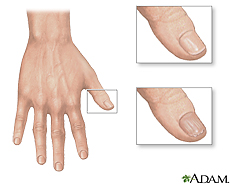
Your toenails and fingernails protect the tissues of your toes and fingers. They are made up of layers of a hardened protein called keratin, which is also in your hair and skin. Your nails' health can be a clue to your overall health. Healthy nails are usually smooth and consistent in color. Specific types of nail discoloration and changes in growth rate can signal various lung, heart, kidney and liver diseases, as well as diabetes and anemia. White spots and vertical ridges are harmless.

Nail problems that sometimes require treatment include bacterial and fungal infections, ingrown nails, tumors and warts. Keeping nails clean, dry and trimmed can help you avoid some problems. Do not remove the cuticle, which can cause infection.

Head and Neck Cancer


Head and neck cancer includes cancers of the mouth, nose, sinuses, salivary glands, throat and lymph nodes in the neck. Most begin in the moist tissues that line the mouth, nose and throat. Symptoms include

* A lump or sore that does not heal
* A sore throat that does not go away
* Trouble swallowing
* A change or hoarseness in the voice

Using tobacco or alcohol increases your risk. In fact, 85 percent of head and neck cancers are linked to tobacco use, including smoking and smokeless tobacco. If found early, these cancers are often curable. Treatments may include surgery, radiation therapy, chemotherapy or a combination. Treatments can affect eating, speaking or even breathing, so patients may need rehabilitation.

Digestive Diseases

When you eat, your body breaks food down to a form it can use to build and nourish cells and provide energy. This process is called digestion.

Your digestive system is a series of hollow organs joined in a long, twisting tube. It runs from your mouth to your anus and includes your esophagus, stomach, and small and large intestines. Your liver, gallbladder and pancreas are also involved. They produce juices to help digestion.

There are many types of digestive disorders. The symptoms vary widely depending on the problem. In general, you should see your doctor if you have

* Blood in your stool
* Changes in bowel habits

* Severe abdominal pain
* Unintentional weight loss
* Heartburn not relieved by antacids

Hair Diseases and Hair Loss


Did you know that the average person has 5 million hairs? Hair grows all over your body except on your lips, palms and the soles of your feet. It takes about four months for healthy hair to grow an inch. Most hairs grow for up to six years and then fall out. New hairs grow in their place.

Men - and some women - lose hair as they grow older. You can also lose your hair if you have certain diseases, such as thyroid problems, diabetes or lupus. If you take certain medicines or have chemotherapy for cancer, you may also lose your hair. Other causes are a low protein diet, a family history or poor nutrition.

Eye Injuries


The structure of your face helps protect your eyes from injury. Still, injuries can damage your eye, sometimes severely enough that you could lose your vision. Most eye injuries are preventable. If you play sports or work in certain jobs, you may need protection.

The most common type of injury happens when something irritates the outer surface of your eye. Certain jobs such as industrial jobs or hobbies such as carpentry make this type of injury more likely. It's also more likely if you wear contact lenses.

Chemicals or heat can burn your eyes. With chemicals, the pain may cause you to close your eyes. This traps the irritant next to the eye and may cause more damage. You should wash out your eye right away while you wait for medical help.

Dental Health


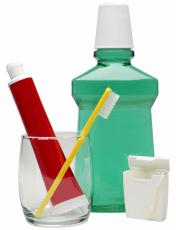
It's important to take care of your mouth and teeth starting in childhood. If you don't, you could have problems with your teeth and gums - like cavities or even tooth loss.

Here's how to keep your mouth and teeth healthy:

* Brush your teeth every day with a fluoride toothpaste
* Floss your teeth every day
* Snack smart – limit sugary snacks
* Get enough calcium
* Don't smoke or chew tobacco
* See your dentist regularly

Smokeless Tobacco


Many people who chew tobacco or dip snuff think it's safer than smoking. But you don't have to smoke tobacco for it to be dangerous. Chewing or dipping carries risks like

* Cancer of the mouth
* Decay of exposed tooth roots
* Pulling away of the gums from the teeth
* White patches or red sores in the mouth that can turn to cancer

Recent research shows the dangers of smokeless tobacco may go beyond the mouth. It might also play a role in other cancers, heart disease and stroke.

Smokeless tobacco contains more nicotine than cigarettes. Nicotine is a highly additive drug that makes it hard to stop using tobacco once you start. Having a quit date and a quitting plan can help you stop successfully.

Child Dental Health


Healthy teeth are important to your child's overall health. From the time your child is born, there are things you can do to promote healthy teeth. For babies, you should clean teeth with a soft, clean cloth or baby's toothbrush. Avoid putting the baby to bed with a bottle and check teeth regularly for spots or stains.

For all children, you should

* Brush teeth with a fluoride toothpaste
* Provide healthy foods and limit sweet snacks and drinks
* Provide low-fat milk and dairy products high in calcium
* Schedule regular dental check-ups

Forming good habits at a young age can help your child have healthy teeth for life.

Heart Diseases


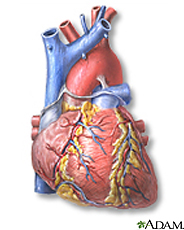
If you're like most people, you think that heart disease is a problem for other folks. But heart disease is the number one killer in the U.S. It is also a major cause of disability. There are many different forms of heart disease. The most common cause of heart disease is narrowing or blockage of the coronary arteries, the blood vessels that supply blood to the heart itself. This is called coronary artery disease and happens slowly over time. It's the major reason people have heart attacks.

Other kinds of heart problems may happen to the valves in the heart, or the heart may not pump well and cause heart failure. Some people are born with heart disease.

You can help reduce your risk of heart disease by taking steps to control factors that put you at greater risk:

* Control your blood pressure
* Lower your cholesterol
* Don't smoke
* Get enough exercise

Calcium


You have more calcium in your body than any other mineral. Calcium has many important jobs. The body stores more than 99 percent of its calcium in the bones and teeth to help make and keep them strong. The rest is throughout the body in blood, muscle and the fluid between cells. Your body needs calcium to help muscles and blood vessels contract and expand, to secrete hormones and enzymes and to send messages through the nervous system.

It is important to get plenty of calcium in the foods you eat. Foods rich in calcium include diary products such as milk, cheese and yogurt, and leafy, green vegetables. The exact amount of calcium you need depends on your age and other factors. Growing children and teenagers need more calcium than young adults. Older women need plenty of calcium to prevent osteoporosis. People who do not eat enough high-calcium foods should take a calcium supplement.

Gas


Everyone has gas. Most people produce about 1 to 4 pints a day and pass gas about 14 times a day. Passing gas through the mouth is called belching or burping. Passing gas through the rectum is called flatulence. Most of the time gas does not have an odor. The odor comes from bacteria in the large intestine that release small amounts of gases that contain sulfur.

Gas in the digestive tract comes from two sources: air that you swallow and the breakdown of undigested food by bacteria in the large intestine. Certain foods may cause gas. Foods that produce gas in one person may not cause gas in another. Drinking lots of water and non-fizzy drinks and chewing food more to lessen the amount of air you swallow when you eat can help reduce gas. For people with lactose intolerance, avoiding milk products will help.

High Blood Pressure


Blood pressure is the force of your blood pushing against the walls of your arteries. Each time your heart beats, it pumps out blood into the arteries. Your blood pressure is highest when your heart beats, pumping the blood. This is called systolic pressure. When your heart is at rest, between beats, your blood pressure falls. This is the diastolic pressure.

Your blood pressure reading uses these two numbers, the systolic and diastolic pressures. Usually they are written one above or before the other. A reading of

* 120/80 or lower is normal blood pressure
* 140/90 or higher is high blood pressure
* 120 and 139 for the top number, or between 80 and 89 for the bottom number is prehypertension

High blood pressure usually has no symptoms, but it can cause serious problems such as stroke, heart failure, heart attack and kidney failure. You can control high blood pressure through healthy lifestyle habits and taking medicines, if needed.

Bladder Cancer


The bladder is a hollow organ in your lower abdomen that stores urine. Bladder cancer occurs in the lining of the bladder. It is the sixth most common type of cancer in the United States.

Symptoms include

* Blood in your urine
* A frequent urge to urinate
* Pain when you urinate
* Low back pain

Smoking is a major risk factor for bladder cancer. Exposure to certain chemicals in the workplace is another. People with a family history of bladder cancer or who are older, white or male have a higher risk.

Treatments for bladder cancer include surgery, radiation, chemotherapy and biologic therapy. Biologic therapy, or immunotherapy, boosts your body's own ability to fight cancer.

Allergy


An allergy is a reaction of your immune system to something that does not bother most other people. People who have allergies often are sensitive to more than one thing. Substances that often cause reactions are

* Pollen
* Dust mites
* Mold spores
* Pet dander
* Food
* Insect stings
* Medicines

How do you get allergies? Scientists think both genes and the environment have something to do with it. Normally, your immune system fights germs. It is your body's defense system. In most allergic reactions, however, it is responding to a false alarm.

Allergies can cause a runny nose, sneezing, itching, rashes, swelling or asthma. Symptoms vary. Although allergies can make you feel bad, they usually won't kill you. However, a severe reaction called anaphylaxis is life-threatening.

National Institute of Allergy and Infectious

Liver Diseases


Your liver is the largest organ inside your body. It is also one of the most important. The liver has many jobs, including changing food into energy and cleaning alcohol and poisons from the blood. Your liver also makes bile, a yellowish-green liquid that helps with digestion.

There are many kinds of liver diseases. Viruses causesome of them, like hepatitis A, hepatitis B and hepatitis C. Others can be the result ofdrugs, poisons or drinking too much alcohol. If the liver forms scar tissue because of an illness, it's called cirrhosis. Jaundice, or yellowing of the skin, can be one sign of liver disease.

Like other parts of your body, cancer can affect the liver. You could also inherit a liver disease such as hemochromatosis.

Taste and Smell Disorders


Our senses of taste and smell give us great pleasure. Taste helps us enjoy food and beverages. Smell lets us enjoy the scents and fragrances like roses or coffee. Taste and smell also protect us, letting us know when food has gone bad or when there is a gas leak. They make us want to eat, ensuring we get the nutrition we need.

People with taste disorders may taste things that aren't there, may not be able to tell the difference in tastes or can't taste at all. People with smell disorders may lose their sense of smell, or things may smell different. A smell they once enjoyed may now smell bad to them.

Many illnesses and injuries can cause taste and smell disorders, including colds and head injuries. Some drugs can also affect taste and smell. Most people lose some ability to taste and smell as they get older. Treatment varies, depending on the problem and its cause.

Teen Health


As a teenager, you go through many changes. For one thing, your body is on its way to becoming its adult size. Have you noticed that you can't fit into your old shoes or that your jeans are now 3 inches too short? Along with these changes, you are probably becoming more independent and making more of your own choices. Some of the biggest choices you face are about your health.

Why? Because healthy habits, including eating nutritiously and being physically active, can help you feel good, look good and do your best in school, work or sports. They might also prevent diabetes, high blood pressure, heart disease, osteoporosis, stroke and some cancers when you are older.

Now is the time to take charge of your health. Making even small changes for the better will help you look and feel your best!

Lung Diseases


When you breathe, your lungs take in oxygen from the air and deliver it to the bloodstream. The cells in your body need oxygen to work and grow. During a normal day, you breathe nearly 25,000 times. People with lung disease have difficulty breathing. Millions of people in the U.S. have lung disease. If all types of lung disease are lumped together, it is the number three killer in the United States.

The term lung disease refers to many disorders affecting the lungs, such as asthma, chronic obstructive pulmonary disease, infections like influenza, pneumonia and tuberculosis, lung cancer, and many other breathing problems.

Growth Disorders


Does your child seem much shorter - or much taller - than other kids his or her age? It could be normal, or it could be a sign of a problem. Very slow or very fast growth can sometimes signal a gland problem or disease.

The pituitary gland makes growth hormone, which stimulates the growth of bone and other tissues. Children who have too little of it may be very short. Treatment with growth hormone can stimulate growth.

People can also have too much growth hormone. Usually the cause is a pituitary gland tumor, which is not cancer. Too much growth hormone can cause gigantism in children, where their bones and their body grow too much. In adults, it can cause acromegaly, which makes the hands, feet and face larger than normal. Possible treatments include surgery to remove the tumor, medicines and radiation therapy.

Start Here

AIDS

AIDS:
Also called: Acquired immunodeficiency syndrome, HIV, Human immunodeficiency virus

AIDS stands for acquired immunodeficiency syndrome. It is the most advanced stages of infection with the human immunodeficiency virus (HIV). HIV is a virus that kills or damages cells of the body's immune system.

HIV most often spreads through unprotected sex with an infected person. AIDS may also spread by sharing drug needles or through contact with the blood of an infected person. Women can give it to their babies during pregnancy or childbirth.

The first signs of HIV infection may be swollen glands and flu-like symptoms. These may come and go a month or two after infection. Severe symptoms may not appear until months or years later.

A blood test can tell if you have HIV infection. Your health care provider can perform the test, or call the National AIDS hotline for a referral at (800) 342-AIDS (1-800-342-2437). There is no cure, but there are many medicines to fightboth HIV infection and the infections and cancers that come with it. People can live with the disease for many years.

Blood and Blood Disorders


your blood is living tissue made up of liquid and solids. The liquid part, called plasma, is made of water, salts and protein. Over half of your blood is plasma. The solid part of your blood contains red blood cells, white blood cells and platelets.

Red blood cells deliver oxygen from your lungs to your tissues and organs. White blood cells fight infection and are part of your body's defense system. Platelets help blood to clot. Bone marrow, the spongy material inside your bones, makes new blood cells. Blood cells constantly die and your body makes new ones. Red blood cells live about 120 days, platelets 6 days and white cells less than a day.