Blinkie Text Generator at TextSpace.net

Friday, May 29, 2009

Back Injuries

Your back is an intricate structure of bones, muscles, and other tissues extending from your neck to your pelvis. Back injuries can result from sports injuries, work around the house or in the garden, or a sudden jolt such as a car accident. The lower back is the most common site of back injuries and back pain. Common back injuries include

These injuries can cause pain and limit your movement. Treatments vary but might include medicines, icing, bed rest, physical therapy or surgery. You might be able to prevent some back injuries by maintaining a healthy weight, lifting objects with your legs and using lower-back support when you sit.

Joint Disorders


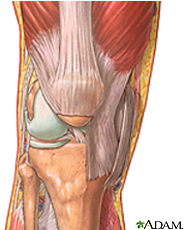
A joint is where two or more bones come together, like the knee, hip, elbow or shoulder. Joints can be damaged by many types of injuries or diseases. Arthritis or simply years of use may cause a joint to wear away. This can cause pain, stiffness and swelling. Over time, a swollen joint can become severely damaged.

Treatment of joint problems depends on the cause. If you have a sports injury, treatment often begins with the RICE (Rest, Ice, Compression and Elevation) method to relieve pain, reduce swelling and speed healing. Other possible treatments include pain relievers, keeping the injured area from moving, rehabilitation, and sometimes surgery. For arthritis, injuries, or other diseases, you may need joint replacement surgery to remove the damaged joint and put in a new one

Saturday, April 18, 2009

Blood Pressure Medicine

Also called: Antihypertensive Medicines, High blood pressure medicines

High blood pressure, also called hypertension, usually has no symptoms. But it can cause serious problems such as stroke, heart failure, heart attack and kidney failure. If you cannot control your high blood pressure through healthy lifestyle habits such as losing weight and reducing sodium in your diet, your doctor may prescribe medicines.

Blood pressure medicines work in different ways to lower blood pressure. Some remove extra fluid and salt from the body to lower blood pressure. Others slow down the heartbeat or relax and widen blood vessels. Often, two or more medicines work better than one.

Fifth Disease


Fifth disease is a viral infection caused by parvovirus B19. The virus only infects humans - it's not the same parvovirus that you vaccinate your dog or cat against. Fifth disease mostly affects children. Symptoms can include a low fever, cold symptoms and a red rash on the cheeks, arms, legs and trunk. Adults who get it might also have joint pain and swelling.

It is easy to catch fifth disease. Infected people have the virus in their saliva and mucus. You can get it when you come into contact with those fluids. Frequently washing your hands might help prevent getting the virus. Most people become immune to the virus after having it once.

Fifth disease is usually mild and goes away on its own. However, it can be serious if you

  • Are anemic
  • Have cancer or a weak immune system
  • Are pregnant

Traumatic Brain Injury


Also called: Acquired brain injury, TBI

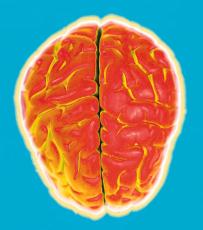
Every year, millions of people in the U.S. sustain head and brain injuries. More than half are bad enough that people must go to the hospital. The worst injuries can lead to permanent brain damage or death.

Half of all TBIs are due to motor vehicle accidents. Military personnel are also at risk. Symptoms of a TBI may not appear until days or weeks following the injury. Serious traumatic brain injuries need emergency treatment.

sTreatment and outcome depend on the injury. TBI can cause a wide range of changes affecting thinking,ensation, language, or emotions. TBI can be associated with post-traumatic stress disorder. People with severe injuries usually need rehabilitation.

Wednesday, March 4, 2009

Germs and Hygiene


When you cough or sneeze, you send tiny germ-filled droplets into the air. Colds and flu usually spread that way. You can help stop the spread of germs by

* Covering your mouth and nose when you sneeze or cough
* Cleaning your hands often - always before you eat or prepare food, and after you use the bathroom or change a diaper
* Avoiding touching your eyes, nose or mouth

Hand washing is one of the most effective and most overlooked ways to stop disease. Soap and water work well to kill germs. Wash for at least 15 seconds. Disposable hand wipes or gel sanitizers also work well.